Natural, Mineral, Microbial, and Synthetic
Insecticides can be grouped by source into four practical categories: mineral or inorganic materials, botanical insecticides, microbial insecticides, and synthetic insecticides. This is a useful way to introduce the topic, but it is not the only valid framework. Standard references also classify insecticides by chemistry, toxicological action, mode of penetration, and mode of action.
For a reader trying to build a clear foundation, source-based classification works well because it answers a simple question first: where does the active material come from? After that, you can move to the more technical questions, such as how the product enters the insect, how fast it works, and how it should fit into a resistance-management program.
What Does “Insecticides by Source” Mean?
When insecticides are classified by source, the focus is on the origin of the active ingredient rather than on its target pest or its mode of action. In that framework, some insecticides come from minerals or simple inorganic materials, some are derived from plants, some are based on microorganisms, and many modern products are chemically synthesized. NCSU’s pesticide safety materials use a very similar grouping when describing common pesticide categories by chemical nature.
This matters because source tells you something important, but not everything. A botanical product and a microbial product may both be considered naturally derived, yet they can behave very differently in the field. Likewise, two synthetic insecticides may come from the same broad source category but belong to different chemical families and work through very different biological pathways. That is why source-based classification is best treated as an entry point, not a full decision system.
A Simple Classification Table
| Source category | What it means | Common examples | Why it matters |
|---|---|---|---|
| Mineral / inorganic | Derived from minerals or simple inorganic materials | mineral oils, soaps, cryolite, other older inorganic materials | Useful for understanding early and low-toxicity-style categories |
| Botanical | Derived from plants | pyrethrins, nicotine, rotenone, plant extracts | Important in natural-product discussions |
| Microbial | Based on microorganisms or microbial activity | Bacillus thuringiensis and other microbials | Often more selective and central to biopesticide discussions |
| Synthetic | Chemically synthesized insecticides | pyrethroids, organophosphates, carbamates, others | Dominant in modern conventional insect control |
This summary reflects Extension teaching materials from NCSU and EPA’s current treatment of naturally derived and microbial biopesticide categories.
Mineral and Inorganic Insecticides
Mineral and inorganic insecticides are one of the oldest source categories. Older references often include arsenic, lead, copper compounds, sodium fluoride, and cryolite in this group, while Extension materials also place oils and soaps near this part of the classification because they represent some of the earliest and simplest pest-control materials. Britannica and NCSU both reflect this historical structure.
In modern practical discussion, however, the emphasis has shifted. Many older inorganic insecticides are mainly of historical interest, while horticultural oils and insecticidal soaps remain relevant because they are still used as contact tools in certain pest-management programs. NCSU describes crop oils and dormant oils as petroleum-based emulsions that act by coating and suffocating small insects or their eggs, and it notes that insecticidal soaps are derived from animal or vegetable oils.
So if you are updating an older page, the better approach is not to spend most of the article on obsolete arsenicals. The stronger structure is to acknowledge the historical mineral/inorganic category, then explain why modern readers are more likely to encounter oils, soaps, and a limited set of mineral-type materials in current lower-toxicity or specialty use discussions.
Botanical Insecticides
Botanical insecticides are derived from plants. Standard examples include pyrethrins, nicotine, rotenone, and related plant-based extracts, and both Britannica and NCSU list these materials when explaining natural or plant-derived insecticide classes. Texas A&M also describes botanical insecticides as naturally occurring chemicals extracted or derived from plants or minerals and commonly discussed as natural insecticides.
This category remains important because it helps readers understand that “natural” does not mean “all the same.” Botanical insecticides differ in persistence, selectivity, and practical fit. Some are discussed mainly in historical or niche contexts, while others remain highly visible in modern pest-management conversations because of their origin, label profile, or compatibility with certain production philosophies.
A stronger article should also avoid a common simplification here: plant-derived does not automatically mean risk-free or universally suitable. Source tells you where the material comes from, but not how broadly it affects insects, how long it persists, or how it should be positioned in a control program. That is exactly why source classification should be followed by chemistry and mode-of-action thinking.
Microbial Insecticides
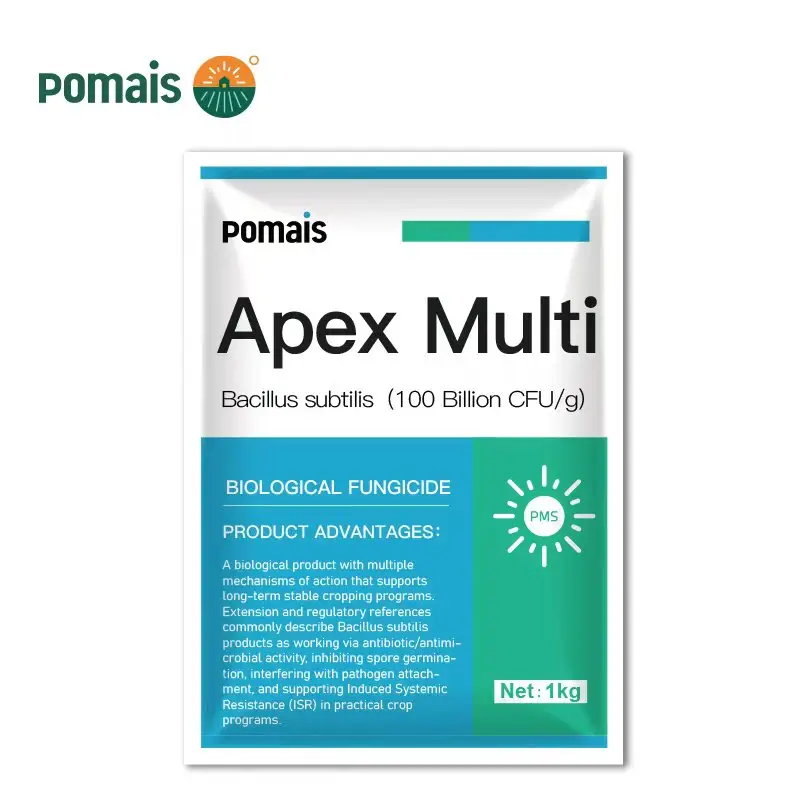
Microbial insecticides are the biggest gap in many older articles on this topic. EPA defines biopesticides as pesticides derived from natural materials such as animals, plants, bacteria, and certain minerals, and it specifically identifies microbial pesticides as one of the three major biopesticide classes.
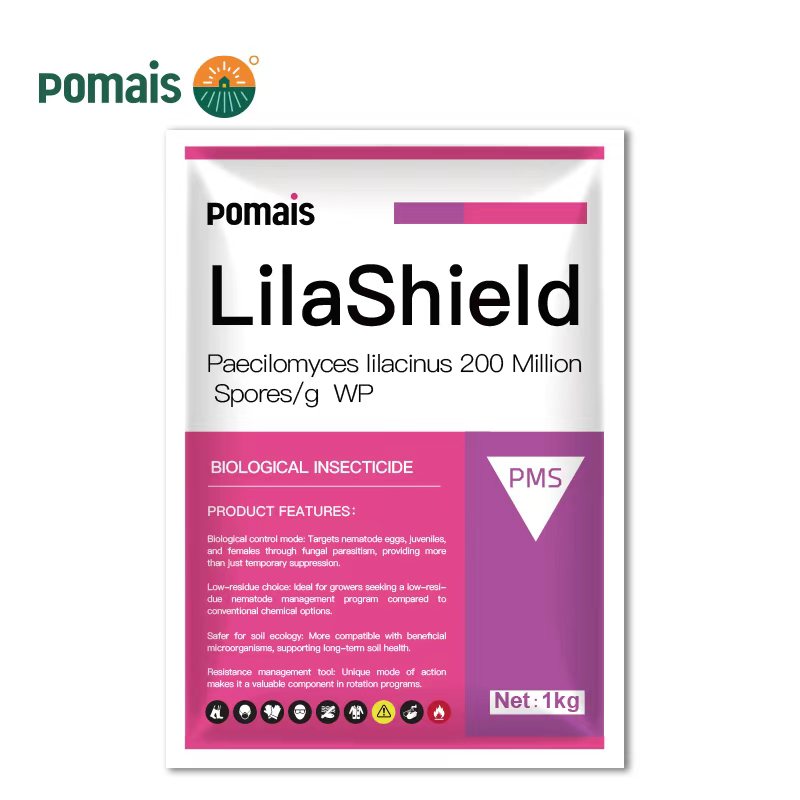
In practical insect-control language, microbial insecticides are based on microorganisms such as bacteria, fungi, protozoa, and viruses, or on the biological activity associated with them. Texas A&M and Florida IFAS both explain that microbial insecticides may use bacteria, fungi, protozoa, nematode-associated microbes, or viruses as the active control agent, while UC IPM highlights examples such as Bacillus thuringiensis and granulosis viruses in biological or microbial pesticide discussions.
This category matters more today than many legacy pages suggest. If you write a modern classification article without a microbial section, the page feels incomplete because current EPA language and current IPM teaching both treat microbial products as a core part of pesticide classification and biopesticide strategy. In other words, a modern “insecticides by source” page should not stop at mineral, botanical, and synthetic. It should clearly include microbial insecticides as a major source-based class.
Synthetic Insecticides
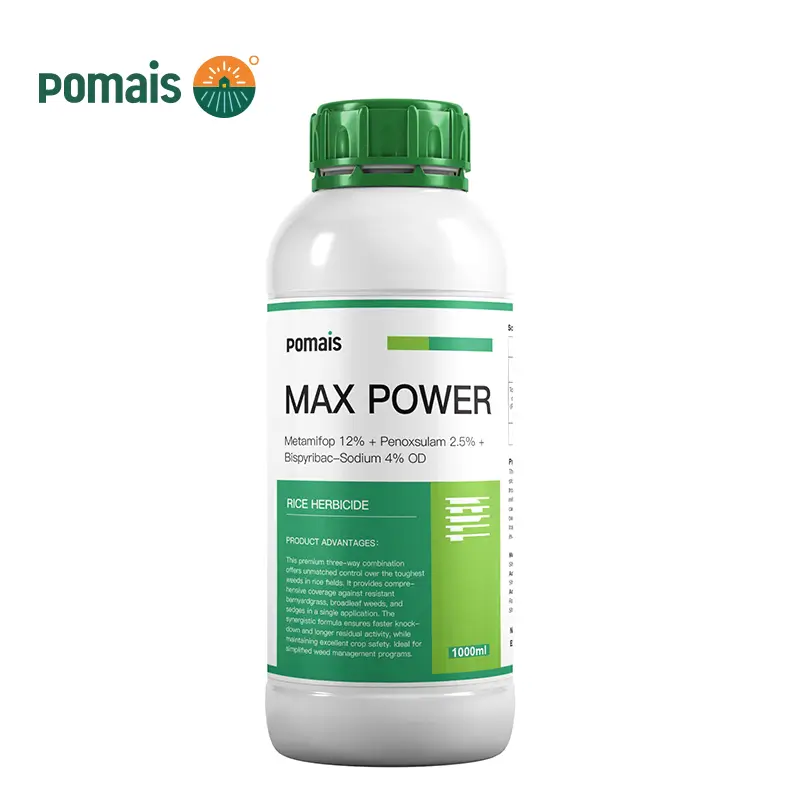
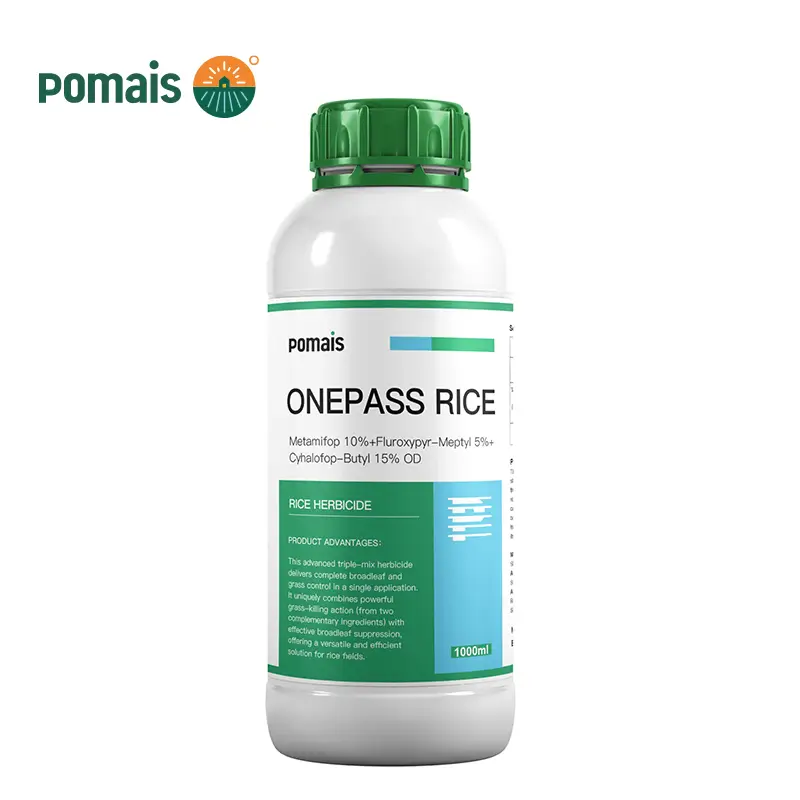
Synthetic insecticides are chemically synthesized products and remain the dominant category in modern conventional insect control. NCSU’s insecticide-class overview includes major synthetic families such as organochlorines, organophosphates, carbamates, and synthetic pyrethroids, and Britannica likewise notes that many insecticides are classified by chemistry as well as by source.
This is where source-based classification and chemistry-based classification begin to overlap. Once you enter the synthetic category, the more useful next step is usually to break products down by chemical family and mode of action rather than leaving them in one large bucket. That is the practical reason modern technical discussions often move quickly from “synthetic insecticides” to more precise groups such as pyrethroids or neonicotinoids.
For an educational page, the key message is straightforward: synthetic insecticides are not one uniform block. They are a broad source category that includes multiple chemical families, exposure pathways, and resistance-management implications. That is why synthetic remains an important source label, but not the final level of classification.
Where Do Insect Growth Regulators Fit?
Older articles sometimes place “insect hormone insecticides” alongside source categories, but that creates a structural problem. Insect growth regulators are better understood by how they work than by where they come from. EPA’s biopesticide materials and NPIC’s growth-regulator explanations both support the broader idea that some pesticide categories are best explained through their biological effect on pest development rather than through source alone.
That means a clean, modern page should say this clearly: IGRs are important, but they are not primarily a source category. They belong more naturally in a discussion of mode of action, developmental disruption, and lifecycle control. This improves the logic of the page and prevents the structure from mixing two different classification systems without explanation.
Source Classification vs. Other Classification Methods
Source is one useful way to classify insecticides, but it is far from the only one. Britannica states that insecticides can be classified by chemistry, toxicological action, or mode of penetration, including whether they act as stomach poisons, fumigants, or contact poisons.
That is an important clarification for readers. Source tells you origin. Chemistry tells you family relationship. Mode of action tells you how the product affects the pest. Mode of penetration tells you how it enters the insect. A strong knowledge page should explain this difference so readers do not confuse a basic educational grouping with a full product-selection framework.
Comparison Table: Different Ways to Classify Insecticides
| Classification method | What it tells you |
|---|---|
| By source | Where the active ingredient comes from |
| By chemistry | Which chemical family it belongs to |
| By mode of action | How the insecticide affects the pest biologically |
| By mode of penetration | How the insecticide enters the insect |
This distinction is one of the most useful upgrades you can make over older short-form articles, because it prevents the page from sounding dated or overly narrow.
Why This Classification Still Matters
A source-based article is still valuable because it gives readers a clear overview of the landscape. It helps explain why some insecticides are described as botanical, why microbial products are discussed under biopesticides, and why synthetic insecticides dominate modern conventional programs. It also helps build a strong topic cluster around later pages on chemical families, biological products, and mode-of-action strategy.
The most useful conclusion, however, is not that one source category is always better than another. The more accurate conclusion is that source helps readers understand origin, while practical insect-control decisions require additional layers such as target pest, crop or use site, mode of action, and resistance risk. That is the difference between a basic glossary entry and a page that actually teaches the topic well.
Frequently Asked Questions
How are insecticides classified by source?
A practical modern breakdown includes mineral or inorganic insecticides, botanical insecticides, microbial insecticides, and synthetic insecticides. This aligns with Extension teaching materials and EPA’s current treatment of biopesticide sources.
What is the difference between botanical and microbial insecticides?
Botanical insecticides are derived from plants, while microbial insecticides are based on microorganisms such as bacteria, fungi, protozoa, or viruses. EPA and university IPM sources treat microbial pesticides as a distinct category within biopesticides.
Are mineral insecticides still used today?
Some older inorganic insecticides are mainly historical, but oils, soaps, and certain mineral-type materials still appear in modern pest-management discussions. NCSU’s insecticide classes page still treats oils and soaps as relevant conventional categories.
Are synthetic insecticides the same as conventional insecticides?
In many practical discussions, synthetic insecticides make up the bulk of what people mean by conventional insecticides, but the term still covers multiple chemical families rather than one single group.
Is source classification enough to choose the right insecticide?
No. Source is a useful starting point, but practical selection also depends on chemistry, mode of action, target pest, and use scenario. Britannica’s classification framework makes that clear.
Final Take
If you classify insecticides by source, the clearest modern framework is mineral/inorganic, botanical, microbial, and synthetic. That structure is more complete than many older pages because it reflects both traditional classifications and today’s EPA and IPM language around biopesticides and microbial products.
Table Of Contents
- Natural, Mineral, Microbial, and Synthetic
- What Does “Insecticides by Source” Mean?
- A Simple Classification Table
- Mineral and Inorganic Insecticides
- Botanical Insecticides
- Microbial Insecticides
- Synthetic Insecticides
- Where Do Insect Growth Regulators Fit?
- Source Classification vs. Other Classification Methods
- Comparison Table: Different Ways to Classify Insecticides
- Why This Classification Still Matters
- Frequently Asked Questions
- Final Take